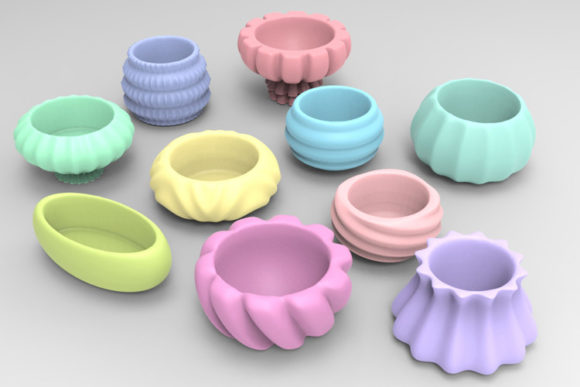
10 Cute Geometric 3D Printing Planters for Modern Spaces
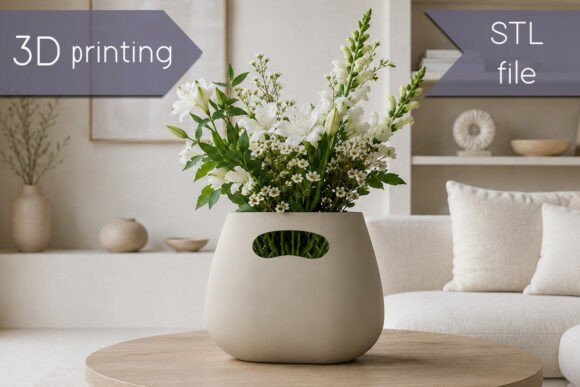
For designers, creators, and small business owners looking to merge functionality with aesthetic appeal, the 10 Cute Geometric 3D Printing Planters represent a smart and innovative solution. These planters are not only visually appealing but also designed with practicality in mind—offering a perfect blend of artistry and utility. Each model is crafted to be 3D printable, making it an accessible option for hobbyists and professionals alike who want to bring unique greenery into their homes or offices.
Why Choose Geometric 3D Printed Planters?
Geometric shapes have long been associated with modern design, minimalism, and architectural elegance. When applied to 3D printed planters, they create a distinct visual identity that can enhance interior spaces. The shell geometric planters for succulent, for instance, feature intricate curves and patterns inspired by natural forms like sea shells, which provide both structural interest and a sense of organic harmony.
The strategic value of using these planters lies in their customizability. Unlike mass-produced options, 3D printing allows you to tailor the size, shape, color, and even material to suit your specific needs. This makes them ideal for branding initiatives, office interiors, retail displays, or personal creative projects. By incorporating geometric elements, you can subtly align the planter designs with your brand’s visual language or a room’s decor theme.
Hollow Design for Efficiency and Creativity
A key feature of the 10 Cute Geometric 3D Printing Planters is their hollow construction. This design choice serves multiple purposes: it reduces material usage, lowers printing costs, and speeds up production time—all while maintaining structural integrity thanks to a wall thickness of 2–3 mm. For entrepreneurs and product developers, this efficiency is crucial when considering scalability and sustainability.
This approach encourages creative thinking about how to use resources wisely. It's a reminder that thoughtful design doesn’t always mean more—it often means better. A minimalist yet impactful planter can make a stronger impression than an overcomplicated one, especially in environments where clean aesthetics matter, such as co-working spaces, boutique stores, or home offices.
Use Cases for Strategic Application
Here are several scenarios where the 10 Cute Geometric 3D Printing Planters can serve as a valuable tool:
- Interior Design Projects: Use them to add a contemporary touch to living rooms, lobbies, or commercial interiors. Their geometric nature complements modern furniture and architectural lines.
- Office Branding: Incorporate them into workspaces to reflect a company’s values of innovation and sustainability. Custom colors or logos can further reinforce brand identity.
- Retail Displays: Create eye-catching arrangements in boutiques or eco-friendly stores. The uniqueness of each planter helps draw attention and differentiate your offerings.
- Gifts and Merchandise: Small businesses selling plants or home goods can print personalized versions of these planters as part of their product line or as promotional items.
- Personal Creative Expression: Hobbyists can experiment with different geometries and materials to develop a signature style or start a side hustle.
Planning Your 3D Printing Project
To get the most out of the 10 Cute Geometric 3D Printing Planters, careful planning is essential. Start by defining your objective: Are you aiming to build a product line? Enhance a workspace? Or simply explore new artistic expressions?
Once your goal is clear, consider the following steps:
- Select the Right Model: Choose from the 10 available designs based on the context where the planter will be used. Some may be better suited for desktops, while others work well as hanging or floor-standing pieces.
- Material and Color Choices: Depending on your budget and desired outcome, select between PLA, PETG, or other biodegradable filaments. Colors should align with your space or brand palette.
- Optimize for Production: If you're scaling up, ensure your printer setup and filament supply can handle batch printing efficiently. Hollow designs help here by minimizing waste and energy consumption.
- Test Before Launching: Print a few samples to assess durability, drainage (if applicable), and overall look before committing to larger runs.
Strategic Benefits Across Industries
These planters offer more than just decorative value—they support various strategic goals across industries:
Branding and Positioning
Incorporating geometric planters into your branding toolkit can position your business as forward-thinking and environmentally conscious. For example, a startup in the tech sector might use sleek, angular planters to project a modern image, while a wellness brand could opt for curvilinear, organic-inspired designs to emphasize balance and harmony.
Operations and Cost Control
Using 3D printing allows for localized production, reducing shipping costs and lead times. The 10 Cute Geometric 3D Printing Planters are particularly advantageous because of their optimized structure. You can produce them in-house or through a local service, which supports lean operations and quick adjustments to design or demand.
Customer Experience and Engagement
When used in customer-facing environments, these planters can improve the user experience. In a café, for instance, placing succulents in shell-shaped geometric planters on tables can create a pleasant ambiance. For online retailers, offering customers the ability to choose from different planter models adds a layer of customization that enhances satisfaction and perceived value.
Creativity and Innovation
As a creator or educator, these planters can serve as teaching tools for geometry, design principles, or sustainable manufacturing. They encourage experimentation with form and function, helping users understand how subtle changes in shape affect usability and visual impact. Educators might integrate them into STEM curricula, while artists can use them to inspire new directions in their work.
Potential Risks and Mitigation Strategies
While the benefits are significant, there are potential risks if the 10 Cute Geometric 3D Printing Planters are used without clear intent:
- Overlooking Practical Needs: Not all designs are suitable for every type of plant. Ensure the chosen model provides adequate drainage and root space for the intended flora.
- Ignoring User Preferences: What looks good in theory may not resonate with your target audience. Conduct user testing or surveys to validate your choices.
- Underestimating Material Limitations: While 2–3 mm walls are sufficient for many uses, some applications may require thicker walls for added durability. Adjust accordingly based on the environment and expected wear.
To mitigate these risks, always align your design decisions with your end goals. Ask yourself: Who is this for? Where will it be placed? How does it contribute to the overall experience or message I’m trying to convey?
Examples of Intentional Use
Let’s explore a few real-world examples of how these planters can be used intentionally:
Example 1: Office Branding Kit
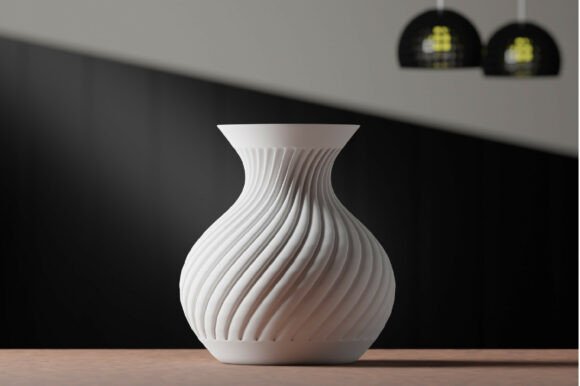
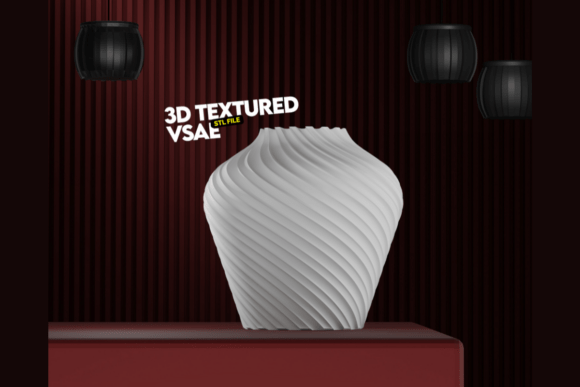
A marketing agency decides to refresh its office layout to reflect a new brand identity centered around innovation and nature. They select two of the 10 Cute Geometric 3D Printing Planters: one with sharp triangular edges and another with smooth, spiral-like contours. Both are printed in earthy tones and placed strategically in meeting rooms and workstations to subtly reinforce the brand’s message of creativity and growth.
Example 2: Retail Store Display
A boutique specializing in handmade and sustainable products uses these planters to showcase potted herbs and succulents. Each planter is paired with a branded label and QR code linking to care instructions and the story behind the design. This not only elevates the presentation but also educates customers and builds trust in the brand’s commitment to quality and originality.
Example 3: Educational Workshop
An art teacher introduces her students to 3D modeling by having them adapt one of the 10 Cute Geometric 3D Printing Planters. Students learn how to modify shapes, adjust wall thickness, and optimize for printing. The final prints are displayed at a school exhibition, demonstrating how technology and design intersect to solve real-world problems.
Long-Term Value and Sustainability
One of the standout advantages of the 10 Cute Geometric 3D Printing Planters is their potential for long-term reuse and repurposing. As trends evolve, these planters can be reprinted in updated styles or used for different types of plants, ensuring their relevance over time. Additionally, using biodegradable filaments contributes to environmental sustainability—a factor increasingly important to consumers and decision-makers alike.
For those building a product line or launching a creative venture, these planters can be a scalable asset. They allow for iterative design improvements, seasonal variations, and even limited-edition releases based on customer feedback. This flexibility supports continuous learning and adaptation, both of which are vital in today’s fast-paced marketplaces.
How to Approach the Design Process
Creating your own version of the 10 Cute Geometric 3D Printing Planters requires a balance between form and function. Here’s how to approach it:
- Define the Purpose: Will it hold a single plant or multiple? Is it for indoor or outdoor use? Understanding the use case guides your design choices.
- Sketch or Model Variants: Experiment with different geometries using CAD software or sketching tools. Even minor tweaks can significantly alter the look and feel.
- Simulate Print Conditions: Use slicing software to preview how the model will print. This helps identify potential issues like weak points or excessive infill.
- Print and Refine: Once printed, test the planter with actual plants. Observe how water drains, how stable it feels, and whether it meets your expectations.
By approaching the process methodically, you avoid costly mistakes and create a product that aligns with your strategic vision.
Decision-Making Guidance for Better Results
When integrating these planters into your workflow or brand strategy, keep the following considerations in mind:
- Align with Audience Expectations: Consider the preferences of your users or customers. Will they appreciate the modern look? Does it fit within their lifestyle or space?
- Balance Aesthetics and Utility: No matter how cute the design is, it must still serve its primary purpose: holding and nurturing plants. Prioritize usability without sacrificing style.
- Plan for Scalability: If you're producing these for resale or internal use, ensure your design can be replicated consistently across printers and batches.
- Consider Longevity: Opt for durable materials and designs that won’t degrade quickly, especially if they’re being used in high-traffic areas.
Conclusion
The 10 Cute Geometric 3D Printing Planters are more than just trendy objects—they are tools for enhancing design thinking, supporting operational efficiency, and fostering creativity. Whether you're an entrepreneur launching a product line, a designer refreshing a client’s space, or a hobbyist exploring new creative avenues, these planters offer a foundation for intentional, impactful outcomes.
Used strategically, they can become a signature element of your brand or project, reinforcing your values while delivering tangible results. With proper planning and consideration, you can transform these digital designs into physical assets that elevate your space and strengthen your message.